Complete Pet Health Care Guide: Best Dog Food for Senior Dogs to Support Joint Health

Understanding Senior Dog Health Needs
As dogs age, their health needs significantly change, often becoming more complex. Common issues that arise in senior dogs include joint problems, such as arthritis, along with various mobility difficulties. These changes can greatly affect a dog’s quality of life, making it crucial for pet owners to remain attentive to their pets’ evolving health requirements. The decline in physical capabilities may also impact their emotional well-being, leading to increased anxiety or behavioral changes. Therefore, it is essential to recognize and understand these challenges to provide adequate support.
One of the primary health concerns for senior dogs is joint health. As they age, their joints can become stiff and painful, which is often attributed to wear and tear over the years. The onset of arthritis is common in dogs over a certain age, leading to discomfort and reduced mobility. To address this issue, pet owners should consider incorporating joint health supplements into their senior dog’s diet. Additionally, choosing dog food for digestion that specifically caters to the needs of older dogs can make a tremendous difference in managing inflammation and promoting overall comfort.
The nutrition for older dogs must also adapt to their changing dietary requirements. Senior dogs often need a balanced diet that is lower in calories but rich in essential nutrients to support their health. Selecting senior dog food that focuses on these dietary needs is vital in maintaining proper weight and sustaining energy levels. Furthermore, understanding the significance of specific nutrients can help enhance their overall health, ensuring that they receive the best possible care as they age. By making informed decisions regarding pet health care, owners can significantly impact the longevity and quality of life for their senior dogs.
The Link Between Diet and Joint Health
Understanding the relationship between diet and joint health is vital for pet owners, especially when it comes to senior dogs. As dogs age, their nutritional needs evolve, requiring a pet health care guide that emphasizes the importance of appropriate dietary choices. Joint health for dogs is often compromised in older age, making it essential to incorporate specific nutrients into their diet to maintain their mobility and overall well-being.
One of the critical elements to consider in dog food for digestion and joint health is the inclusion of anti-inflammatory ingredients. These ingredients, such as omega-3 fatty acids found in fish oil, help to reduce inflammation in the joints, aiding in the reduction of pain and stiffness. Consequently, essential fatty acids not only promote joint health but also support overall energy levels, allowing senior dogs to remain active. Furthermore, ingredients rich in glucosamine and chondroitin are beneficial for cartilage maintenance, an essential factor for older dogs struggling with joint issues.

Moreover, opting for senior dog food that is formulated with balanced nutrition can significantly impact a dog’s quality of life. Nutrients such as antioxidants and vitamins play a crucial role in combating oxidative stress, which has been linked to a decline in joint function. Foods that are high in dietary fiber also support overall digestion, helping senior dogs better absorb the essential nutrients required for maintaining optimal joint health.
Thus, a well-structured diet that emphasizes joint health and nutrition for older dogs is critical for preserving their mobility, comfort, and happiness. By understanding how different dietary components influence joint health, pet owners are better equipped to make informed decisions regarding their senior dog’s nutrition and overall care.
Key Nutrients for Joint Support
As dogs age, their nutritional needs shift, particularly regarding joint health. It’s essential for pet owners to understand the key nutrients that can significantly enhance mobility in senior dogs, ensuring they remain active and comfortable in their daily lives. A comprehensive pet health care guide emphasizes the importance of specific ingredients in dog food that are beneficial for older canines.
One of the crucial components for joint support is glucosamine. This natural compound contributes to the maintenance of cartilage, the tissue that cushions joints. Glucosamine supplementation can help alleviate symptoms associated with joint pain and stiffness commonly faced by senior dogs. In conjunction with glucosamine, chondroitin is often included in formulated dog food for digestion and joint health. It works by retaining water within the cartilage, which in turn helps to maintain flexibility and resilience, providing relief to aging dogs.
Additionally, omega-3 fatty acids, found in sources such as fish oil, offer anti-inflammatory properties that can diminish joint pain and stiffness. These fatty acids promote overall joint health and can be instrumental in managing the degenerative processes that occur as dogs get older. Antioxidants play a complementary role in this regard, as they can combat oxidative stress, thus supporting not only joint health but also the general well-being of senior dogs. Vitamins such as Vitamin C and Vitamin E are vital in reducing inflammation and supporting cellular repair.
Lastly, a balanced intake of essential minerals, including zinc and manganese, is paramount for maintaining joint integrity. When combined with a well-structured dog food specifically designed for older dogs, these key nutrients can significantly contribute to improved joint health, allowing senior dogs to enjoy an active, fulfilling life. Therefore, when selecting dog food for digestion and overall health, ensuring the presence of these nutrients is critical for supporting the needs of senior dogs.
Types of Dog Food: Choosing the Right Formula
When it comes to selecting the best dog food for senior dogs, particularly those that require additional support for joint health, it is essential to understand the various types of food available on the market. Each option has its advantages and disadvantages that can impact the overall nutrition for older dogs.
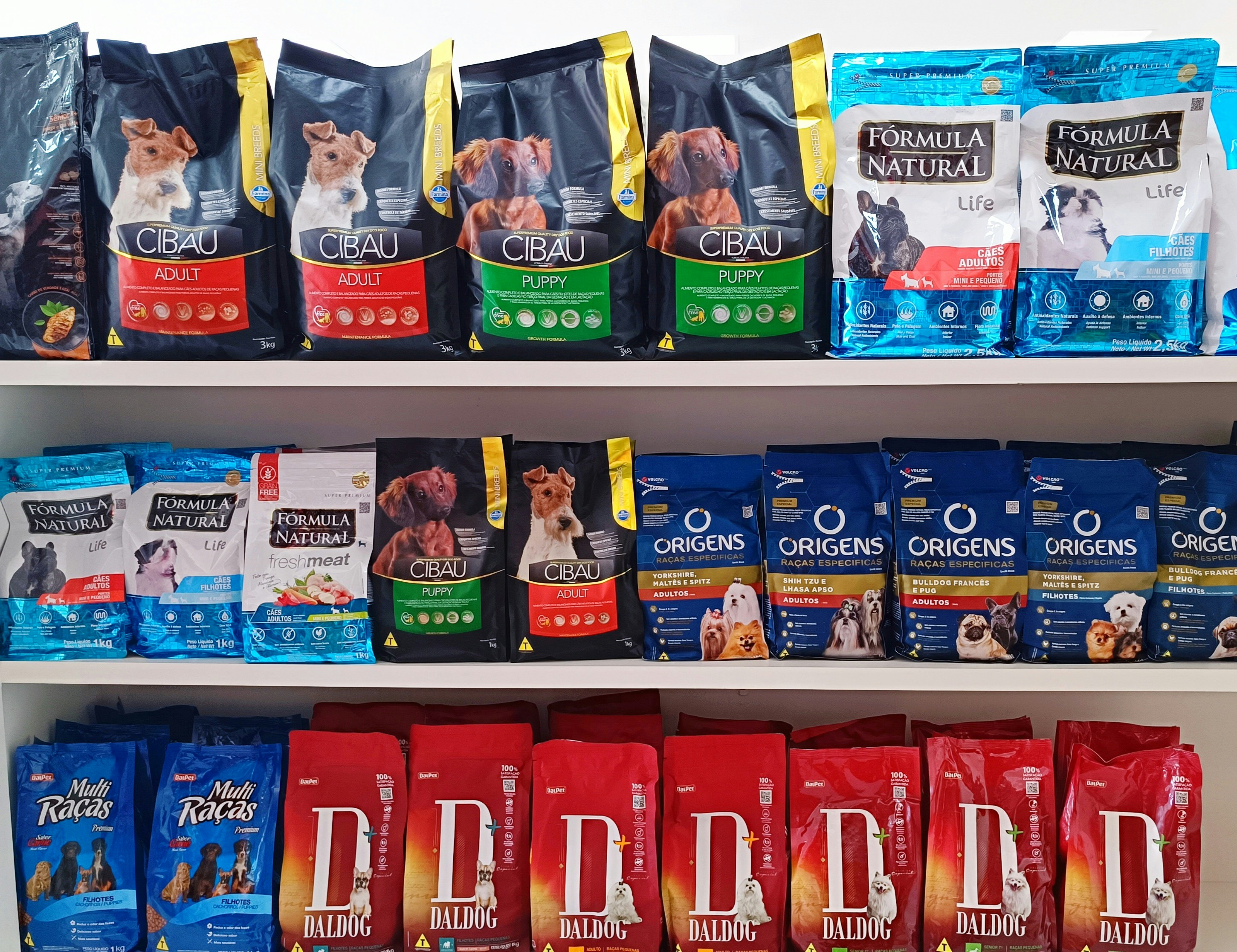
The most common type of dog food is dry kibble. This format is convenient, cost-effective, and often provides a balance of nutrients, including those beneficial for digestion and joint health for dogs. However, some dry foods may contain preservatives and fillers that are not ideal for senior dogs. It is crucial to choose high-quality brands that use wholesome ingredients, particularly ones formulated for the specific needs of aging canines.
Wet food is another popular choice. It is an excellent option for senior dogs who may struggle with chewing and swallowing, as the softer texture makes it easier to consume. Wet food also tends to have higher moisture content, which can assist with hydration. Nevertheless, it is typically more expensive than dry kibble and may have a shorter shelf life once opened.

Raw diets have gained attention in recent years. Proponents suggest that a raw food diet can provide fresh, whole food options that closely resemble a dog’s ancestral diet, potentially leading to improved joint health and overall well-being. However, raw diets can be challenging to prepare and may pose risks such as bacterial contamination if not handled correctly. Consulting with a veterinarian before transitioning to this diet is highly recommended.
Lastly, prescription diets are available for specialized needs, including weight management and joint support. These formulations are scientifically tailored to address specific health issues and are often recommended by veterinarians. While they can be effective, particularly for senior dogs requiring additional nutrition, they can also be costly.
In conclusion, when choosing between these types of dog food, consider your senior dog’s specific health requirements and preferences. A thoughtful selection can significantly contribute to their quality of life, ensuring they receive the necessary nutrition, enhanced digestion, and joint support they deserve.
Top Recommended Dog Food Brands for Senior Dogs
When it comes to senior dog care, selecting the right food is crucial for maintaining optimal health, particularly for joint health and digestion. Here are some top recommended dog food brands specifically formulated to meet the nutritional needs of aging dogs.
Hill’s Science Diet is a well-regarded brand that features specialized formulas for senior dogs. Its recipes are designed to support both joint health and overall well-being. Key ingredients include high-quality proteins, antioxidants, and omega fatty acids, which help promote a healthy, active lifestyle for older dogs.
Blue Buffalo Life Protection offers a senior dog food line that focuses on natural ingredients, ensuring that your pet receives proper nutrition for older dogs. This brand incorporates whole meats and wholesome grains, while added glucosamine supports joint health. Its formulation helps maintain healthy digestion, making it an excellent choice for sensitive stomachs.
Wellness CORE Grain-Free provides a high-protein, grain-free option specifically targeted for senior dogs. This brand is rich in omega fatty acids and contains beneficial ingredients like glucosamine and chondroitin, both of which are essential for joint health in dogs. Additionally, Wellness CORE’s focus on quality protein sources makes it ideal for maintaining lean muscle mass as dogs age.
Royal Canin Veterinary Diet has a specialized line tailored for aging dogs with specific health concerns, including joint issues. Their formulas incorporate a balanced blend of nutrients and antioxidants, helping to maintain joint mobility and support digestion. Veterinarians often recommend Royal Canin for its targeted nutrition designed for older dog needs.
Incorporating these reputable brands into your pet health care guide will help ensure that your senior dog receives appropriate nutrition, promoting overall well-being and longevity. Each of these brands not only emphasizes joint health for dogs but also addresses various dietary requirements that aging pets may have.
Reading Labels: Understanding Dog Food Ingredients
When selecting the best dog food for senior dogs, it is crucial to understand how to read and interpret dog food labels. This practice not only ensures that you are providing your pet with the necessary nutrients but also helps you identify food that supports joint health for dogs. The ingredients list on pet food packaging is typically ordered by weight, meaning that the first few items are the most significant in quantity. Look for high-quality protein sources, such as chicken, beef, or fish, as these components are vital for maintaining muscle mass and overall health in older dogs.
In addition to protein, pay close attention to the types of fats included in the dog food. Healthy fats, such as omega-3 fatty acids derived from fish oil, can help promote joint health and improve skin and coat conditions. When reviewing the label, be wary of specified animal by-products, as these may vary widely in quality and digestibility. Instead, choose dog foods that clearly state whole meats and recognizable ingredients.
Moreover, for senior dogs, the presence of fiber is essential for good digestion. Ingredients such as beet pulp, pumpkin, or brown rice can support gastrointestinal health, which is particularly important as pets age. Many manufacturers now offer formulations specifically designed for the nutrition for older dogs, which often feature additional beneficial ingredients, such as glucosamine or chondroitin, to support joint function.
Lastly, it is essential to ensure that the dog food is free from fillers, artificial colors, and preservatives. Reliable brands often provide a declaration of their commitment to superior quality and safety. Understanding how to interpret these labels will enable you to make informed decisions that contribute to your pet’s health and well-being throughout their senior years.
Transitioning to Senior Dog Food
Transitioning a senior dog to a new diet is essential for maintaining optimal health, especially as their nutritional needs evolve. Selecting the right senior dog food tailored for joint health can significantly enhance their quality of life. A gradual transition helps reduce the likelihood of digestive issues often associated with sudden dietary changes. It is generally recommended to start the process over a period of seven to ten days.
Begin by mixing a small amount of the new dog food for digestion with your senior dog’s current food. For the first few days, a ratio of about 25% new food to 75% old food can be effective. As your dog adapts, gradually increase the proportion of the new diet, ultimately reaching a full switch by the end of the transition period. Observing your dog’s reaction is key; watch for any signs of digestive discomfort or allergic reactions. If your dog experiences issues, consider adjusting the blend to a gentler ratio or consulting your veterinarian.
In addition to monitoring their response, make mealtime appealing. Adding a small amount of water to the dog food can enhance its aroma and flavor, encouraging your senior dog to eat while also contributing hydration. Furthermore, incorporating gentle exercises suitable for older dogs can aid digestion and promote overall well-being during this transition.
Ensuring that the new diet, particularly if it emphasizes nutrition for older dogs, supports joint health for dogs is crucial. Foods rich in glucosamine, omega fatty acids, and antioxidants can provide added benefits, promoting not only better digestion but also mobility. By carefully managing this transition, you can help your senior dog thrive, ensuring they receive the best nutrition tailored to their needs.
Maintaining an Active Lifestyle for Senior Dogs
As dogs age, maintaining their joint health becomes a critical component of their overall well-being. A proper diet is essential, but it must be complemented by regular, age-appropriate exercise. Incorporating gentle physical activities into your senior dog’s routine helps preserve mobility, enhance flexibility, and promote overall vigor. Both nutrition for older dogs and consistent light exercise work hand in hand to support their health, particularly when it comes to joint issues.
Activities such as short, leisurely walks can provide vital cardiovascular benefits while minimizing stress on aging joints. The importance of selecting the right type of dog food for digestion cannot be overlooked here; a healthy digestive system aids in optimizing the energy levels that will help your senior dog remain active during walks. Additionally, incorporating engaging yet low-impact activities such as swimming or gentle play can promote joint mobility while being easier on their bodies. Water-based exercises are especially advantageous as they reduce the strain on joints while allowing them to exercise comfortably.

It is also beneficial to participate in activities that stimulate their cognitive functions. Puzzle toys or scent games can keep them mentally engaged without requiring high physical exertion. Balancing physical and mental activities enhances the quality of life for senior dogs while supporting their joint health, ensuring they remain happy and active. By implementing exercises that take their joint health into account along with choosing appropriate senior dog food, you can create a holistic approach to pet health care. Together, these strategies can lead to improved well-being and a more fulfilling lifestyle for your aging canine companion.
In conclusion, maintaining an active lifestyle for senior dogs is paramount for ensuring their joint health and overall vitality. A balanced approach that includes suitable exercises and optimal nutrition for older dogs can significantly enhance their quality of life.
Consulting with Your Veterinarian
When it comes to ensuring optimal health for senior dogs, consulting with a veterinarian should be a priority for any pet owner. Regular veterinary check-ups are critical not only for monitoring your dog’s overall health but also for making informed decisions about their diet and nutrition as they age. Senior dogs often face various health challenges, including joint pain, digestive issues, and decreased energy levels, which may necessitate adjustments in their diet or care routine.
As dogs mature, their nutritional needs evolve. A veterinarian can provide a pet health care guide tailored to your dog’s specific requirements, taking into account their age, breed, and any existing health conditions. For example, dietary formulations such as senior dog food can support joint health for dogs and digestive health, ensuring they receive the necessary nutrients. The veterinarian may recommend specific types of dog food for digestion that include easily digestible ingredients and targeted supplements to address joint issues, which are common in older pets.
Moreover, it is essential for pet owners to discuss any notable changes in their dog’s behavior, weight, or general well-being during these consultations. Such insights can influence the veterinarian’s recommendations regarding nutrition for older dogs. By communicating any concerns, pet owners can help develop a comprehensive health care guide that encompasses dietary adjustments, lifestyle changes, and preventive measures to ensure their senior dog enjoys a quality life.
Ultimately, these partnerships between pet owners and veterinarians create a foundation for effectively managing your senior dog’s health, making sure they thrive in their golden years. Prioritizing veterinary consultations is key to navigating the complexities of senior dog care, including establishing an appropriate diet plan that focuses on hydration, balanced nutrition, and joint support.